Transitioning from a Masticating Juicer to Goodnature Hummingbird
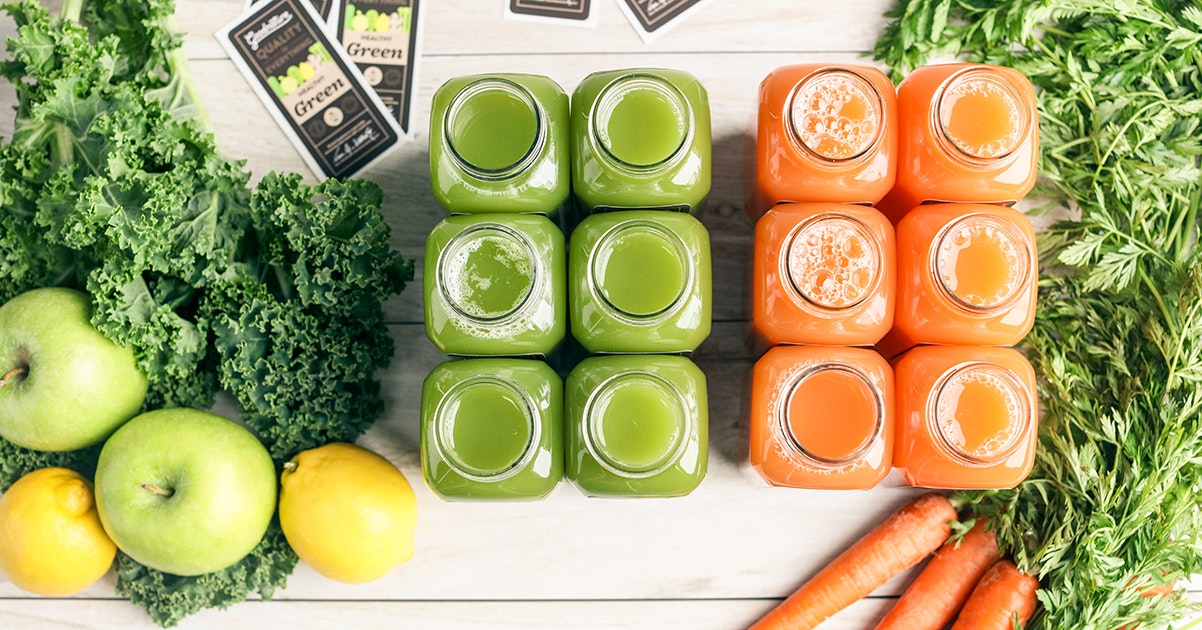
You're probably reading this because you've decided to upgrade from a masticating juicer like Nama or Kuvings brand to a genuine Goodnature juice press. First of all, congratulations! Whether you're juicing for a business or your own family at home, everyone is going to love higher quality juice. You've made a great decision! There are some important differences that come along with making the switch that you should be aware of, and plan for, to help ensure the transition goes smoothly. First, I will give an overview of the differences in juice quality then I will highlight the main things to be aware of for a successful transition. Juice Quality Differences Higher yield You will extract more juice with a Goodnature juicer than a masticating juicer on many common items like apples, celery, carrots, and more. That means not only will you save money on produce, but you will extract more nutrients per pound of produce, making the most of what nature has provided for us. Less separation and longer shelf life. The two-step process in a Goodnature juicer (grinding then pressing) introduces less oxidation than a masticating a juicer. The reason is that a masticating juicer extracts juice by grinding against a mesh screen, which introduces a lot of air into the juice. You can see it by the amount of foam that is produced, and the quick separation into multiple layers. Goodnature juice will have very little separation, and can last up to 7 days in a refrigerator without any extra additives or processing (like vacuum sealing). Naturally sweeter and smoother juice A masticating juicer can contain up to 30% solids in the juice, which leads to a grainy mouthfeel and more bitter taste, since the tiny bits of skin, seeds, and more affect the juice. Solids in Goodnature juice are less than 1% of the volume. This allows your body to absorb the nutrients more easily without breaking down insoluble fiber, and leads to clean , smooth juice that can last up to 7 days or more in a refrigerator (depending on the recipe and temperature). This change means your recipes will not taste exactly the same (see #4 below).

Commercial Juicing Essential Equipment and Tools (with Video)
Every juice bar needs some essential equipment and tools to supply the highest quality juice, smoothies, bowls, and more. Please take the time to watch the companion podcast below for a full description of why each product is so useful!
Hummingbird vs M-1 and X-1 Mini
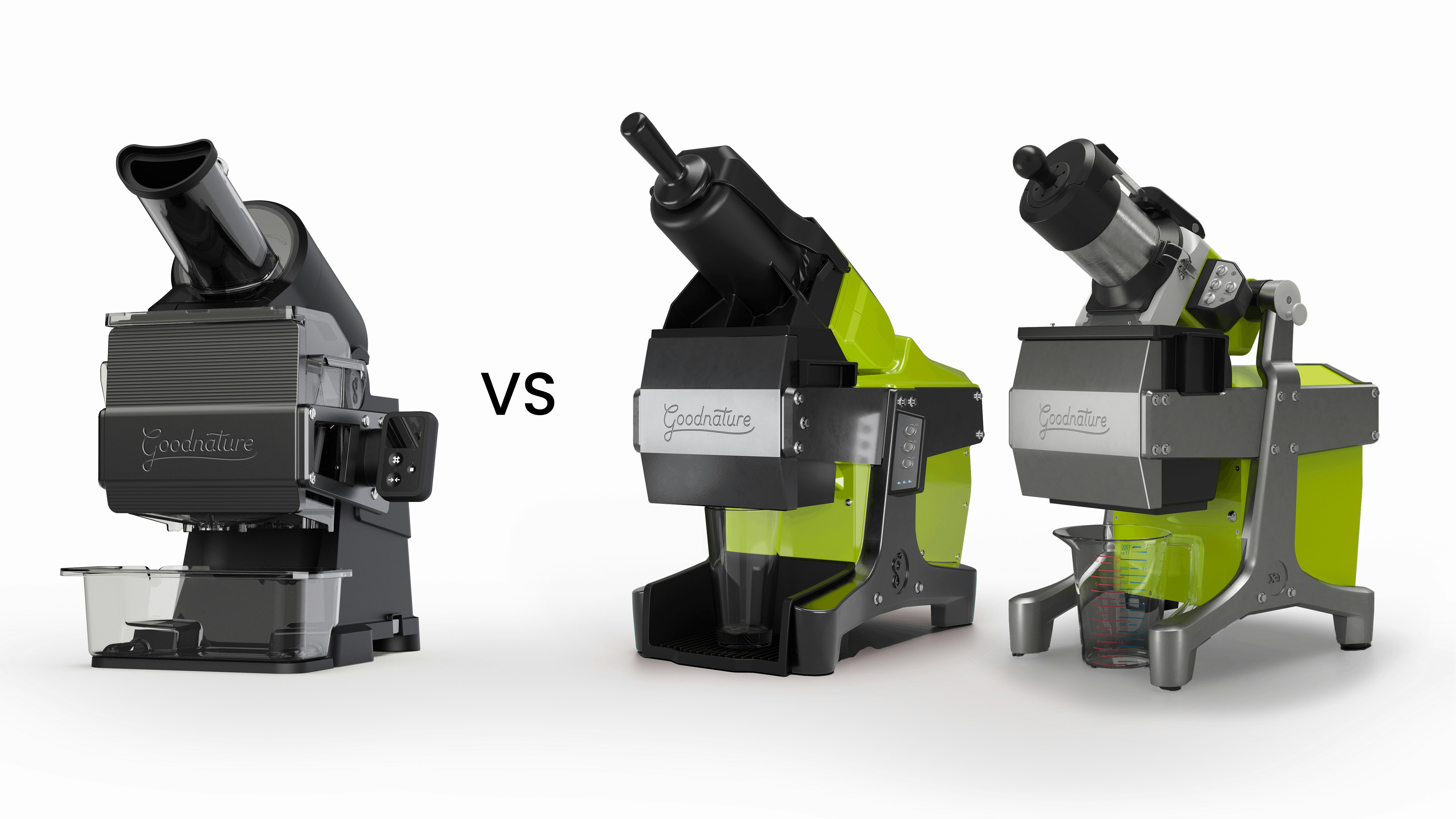
Below is a brief overview of the main similarities and differences between our new Hummingbird commercial cold press juicer, and our earlier countertop models, M-1 and X-1 Mini. Similarities First of all, it's important to point out that all Goodnature juicers are real cold press juicers / juice presses. All of our models make the world's best juice, which is why Goodnature is the trusted brand by thousands of juice businesses in over seventy countries. No matter which machine you own, you can rest assured you are serving the best cold-pressed juice. To learn more about what makes the Goodnature method the best, check out the Goodnature Difference. All three of the models being compared here feature: FreshFilter press bags - single use compostable press bags require no cleaning or sanitizing. Press and walk-away - While the press is working, you can go do other things in your kitchen like prepare the next recipe or start bottling juice. Commercial grade - all three machines are built to sustain commercial use, and are built from durable commercial materials, and contain NSF certification. As mentioned above, all Goodnature machines are true cold press juicers with an actual press, which produces a higher quality juice with less oxidation than centrifugal or masticating / slow juicers. New Hummingbird Features There are a few features which are brand-new to Hummingbird that aren't available on any previous Goodnature countertop juicer models: Controls with an integrated display screen. The display updates the operator as to what's going on, how much time is left in the process, and if there's a problem that needs addressing (for example, the press chamber is not inserted). Continuous grinder. Due to the larger opening on our other models, we had to design the grinder so it could stop every time it was opened to insert more produce (for operator safety). This causes very slight delays, which over a juicing session can add up to a noticeable amount of time. On Hummingbird, the grinder blade spins continuously, allowing for continuous grinding which leads to a more efficient and enjoyable grinding experience. Press overflow protection. Occasionally, the operator may attempt to press too-large of a batch, or press a recipe that is too "mushy" to press sufficiently the first time, which can cause the press to overflow out of the top while under pressure. Hummingbird pauses and alerts the operator so they can fix the problem instead of continuing to press (and causing a mess on the counter and juicer). New patent-pending grinder design. The new Hummingbird grinder does a better job grinding a variety of produce, allowing the juicer to achieve higher yield that our other counter-top machines. The difference is especially noticeable on root vegetables like carrots, where the new Hummingbird system provides significantly higher yield. Integrated recipe bin. Hummingbird features a new recipe bin that can hold a recipe while being juiced. The bin hangs off the front of the press, allowing easy access and reducing counter space required while juicing. Clear hopper and press chamber. The new design of Hummingbird offers a live view into the juicing process in both the grinder and the press, allowing the operator to have a better understanding of the process (it also looks really cool!). Intelligent system. Hummingbird is the first juice press that actually knows what's going on during the process and gets live feedback from the press, adjusting it's speed and pressure in real time. Hummingbird vs M-1 The M-1 was released in 2019 as a made-to-order juicer. The capacity is meant to make one juice at a time in short time frame to serve customers ordering a glass of juice, the first juice press of its kind. The grinder has a large hopper to allow little prep time, and the press is set to a fast speed at 2 minutes.

Juice Recipes Measured by Weight (and why we do it)
You may be browsing the Goodnature juicing recipes, and wonder why most of the ingredients are all listed by weight, and not by the item. For example, we may list "apple - 1.5 lbs" while other recipe sites will list it as "3 large apples". All of the professionals use recipes by weight for some important reasons, and here they are: Variance in ingredients Fruits and vegetables are natural items that grow in the ground, so they will vary a lot in size and weight. A large cucumber one week could be a lot bigger than the week before, based on seasonality and crop. Not to mention, items can be very different in different regions of the world. Check out this "large carrot" from a Japanese super market. If the recipe you're making calls for "2 large carrots" and you're using carrots like above, do you think it will be balanced? Only if the creator of the recipe was also using huge carrots! This may not seem like a big deal if you're just making juice at home for yourself, but if you ever plan on making larger batches, this variance in ingredient weight can make a huge difference. Think about a 30 lb batch of a recipe. If a "large apple" is 20% larger than what we used to make the recipe, that could end up being several pounds difference, therefore making your recipe extremely apple-heavy and producing too much juice. Of course, it could work the same in the other direction as well, under-producing juice.
Juicing in Bulk - Making large batches of juice like a pro
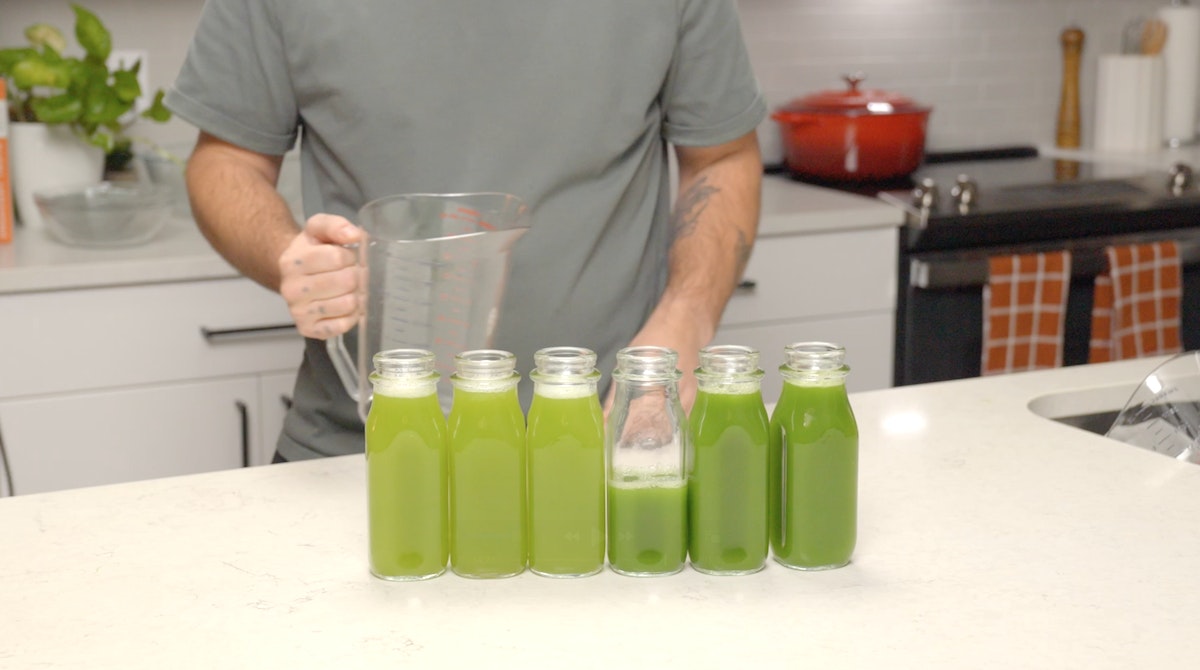
Whether you're making large batches of juice for a business, for your family, or just for yourself for the full week, it can be a struggle to juice in bulk in an easy, organized manner that doesn't feel stressful. There are many struggles including how to batch recipes, equipment limitations, and bottling the juice. After working in the juicing industry full time for over ten years, I will try my best to explain the most important parts of bulk juicing successfully.
How to Create a Profitable Catering Menu
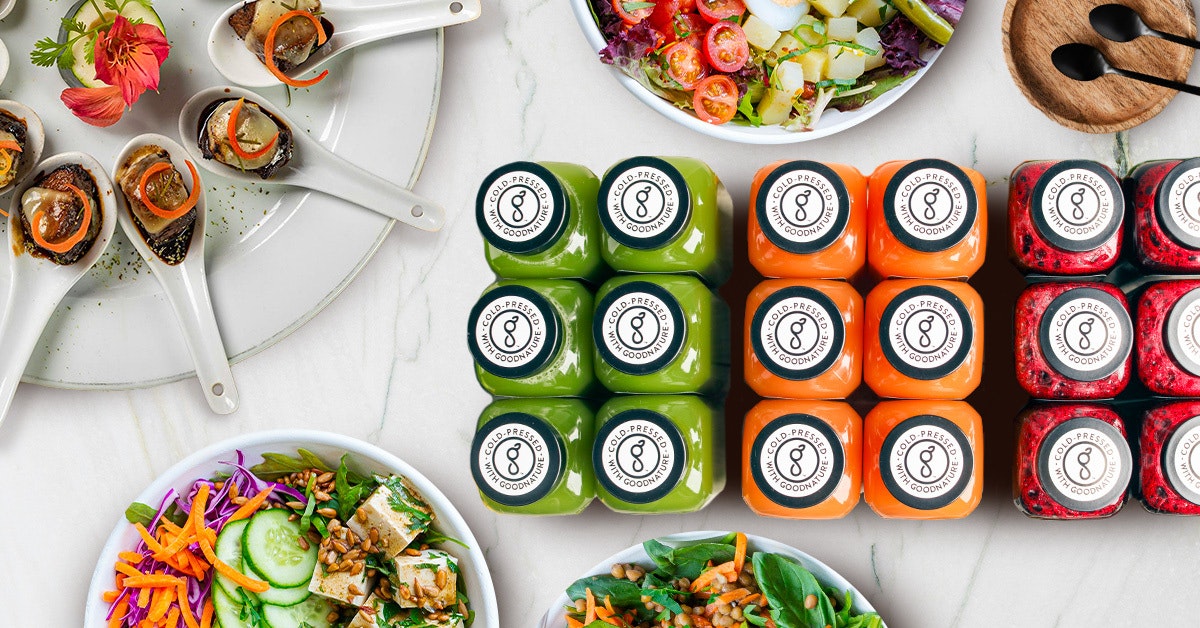
How to price and sell catering orders has been a popular topic in the juice bar industry lately, including on the Goodnature Juicing Facebook Group, and on a recent episode of the Goodnature Radio podcast. Here's some tips and tricks for pulling off a successful catering program. What is a catering order? A catering order is basically a large order that is usually delivered to another business for an event. The buyer may book an order for a board meeting, or just to feed their staff for breakfast or lunch. Usually, the order will be delivered and set up for the buyer with all required single use plates, cups, and serving utensils. Developing a Catering Program Your catering menu should be straight forward and simple with the products offered. For example, you can offer your most popular items grouped together into packages. Package one might be the "Arise" package, and come with light breakfast items such as acai bowls, juices, coffee and tea. The "Wellness Brunch" package could include those items plus more savory items like sandwiches, salads, etc. Each package should specify which products are included and how many people it serves. It's fine to customize packages if requested, but having some place to start for the customer will make it easier, for both the customer and your business. Pro Tip: Chef Ari suggests that for catering orders you can offer special smaller-portion-sized items like half-size smoothie bowls and juices that are only offered as part of the catering packages. This allows you to provide more affordable pricing for larger format events while keeping a low, consistent food cost. It also has the added benefit of allowing the guests to taste many of your most popular items. Need help building a profitable catering program? Contact our consulting team for personalized, collaborative juice bar consulting.
3-Day DIY Juice Cleanse (Recipes, Benefits & Tips)
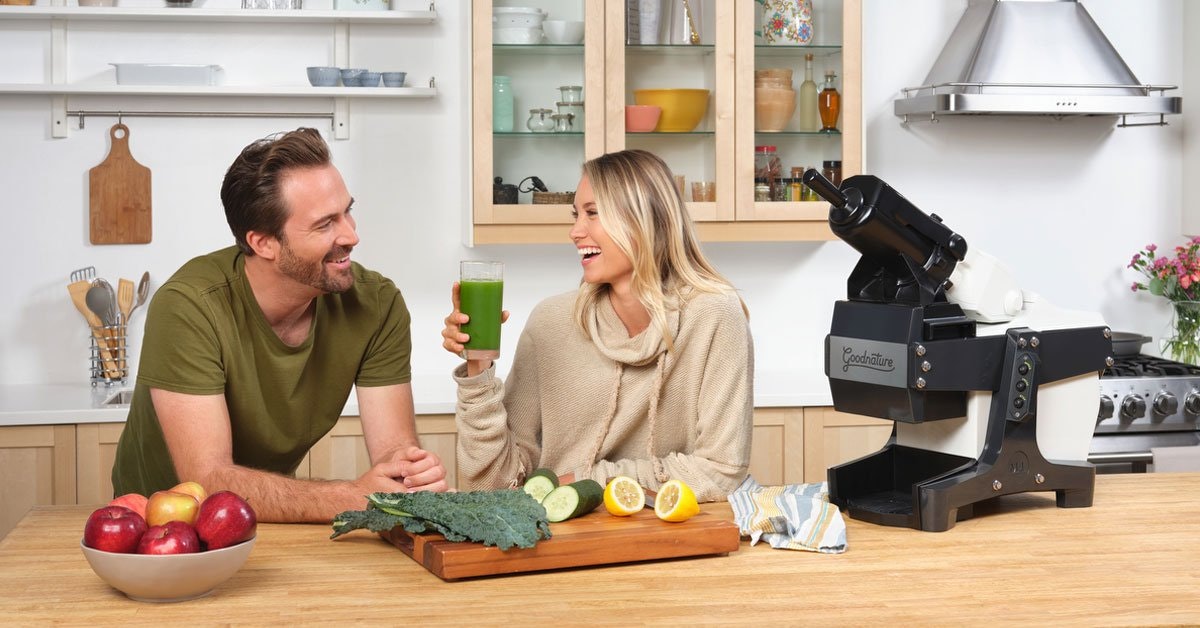
If you’re interested in trying out your own 3-day juice cleanse, this is a great place to start! Juicing is an amazing way to detox and boost the vital nutrients in your body, which is why we’re so passionate about helping others who are on their juicing journey!
Glass Bottle Benefits: 4 Advantages Over Plastic
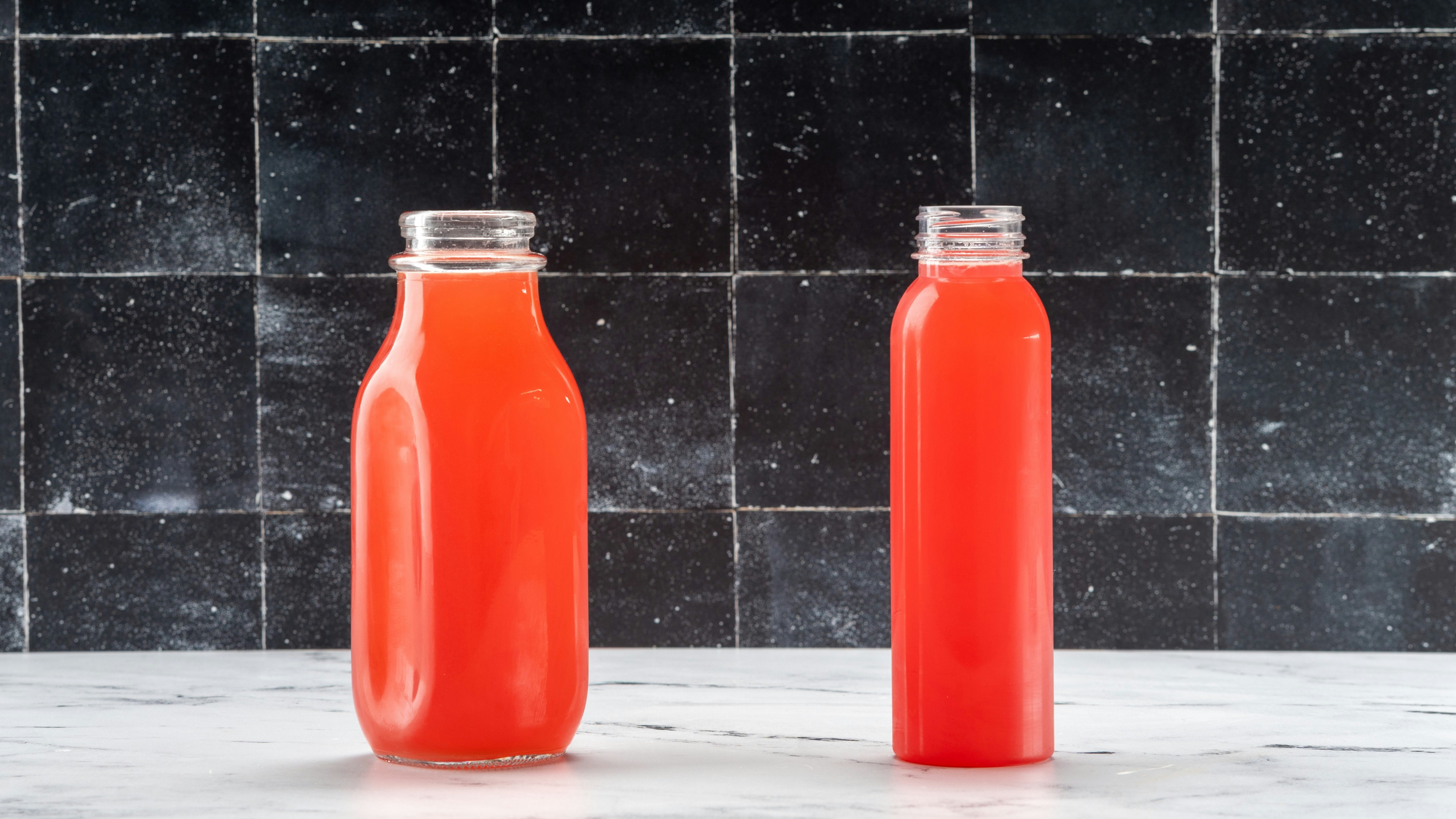
Sustainability, quality, safety and juice freshness are all relevant factors when it comes to choosing glass over plastic containers.

How to Open a Juice Bar: 8 Steps
My juice business consulting team has consulted over 500 juice and smoothie bars in the past ten years, and I can say from experience that starting a juice bar usually is a fairly similar process for almost everyone, some people just come to us at different stages of the process. I have outlined the most important steps of the process below!

5 Tips for Starting a Juice Business in 2024
Opening a juice business seems pretty straight forward, but there are some things you need to figure out before everything can be open and operating. After working with hundreds of new juice companies, I have compiled a short list of tips and resources that will keep you from running into many common issues.
7 Best Gluten-Free Bread Brands
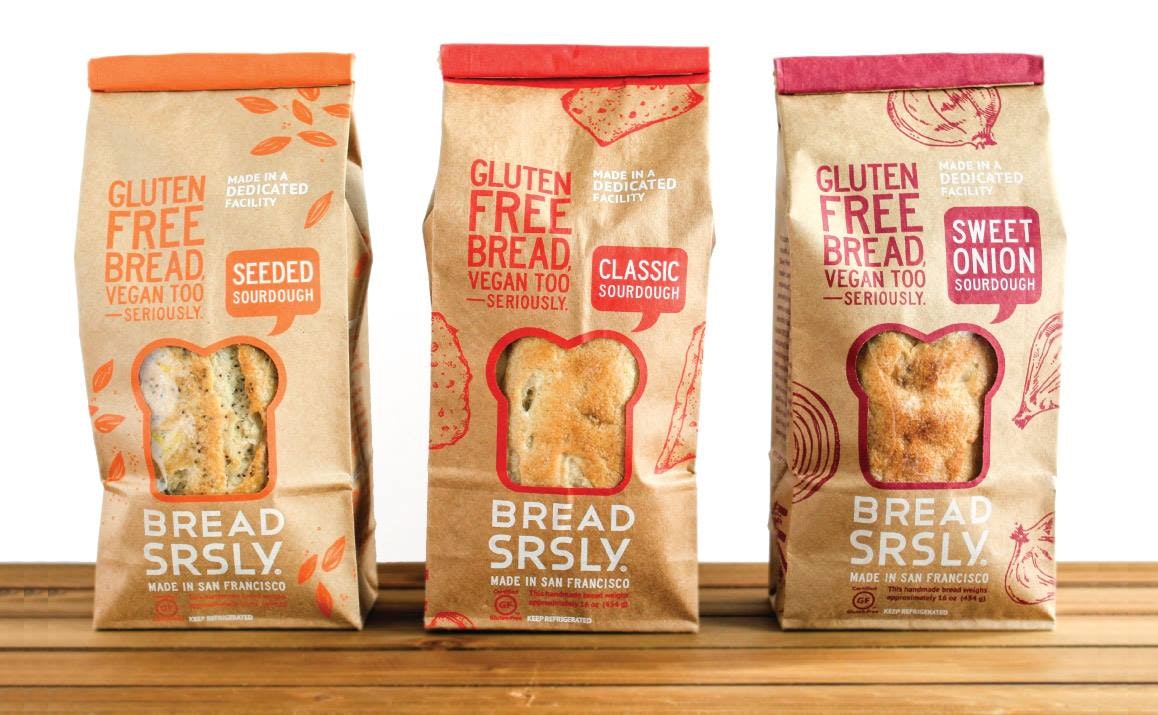
In this article, we'll explore the best gluten-free bread brands that are available in supermarkets and online.
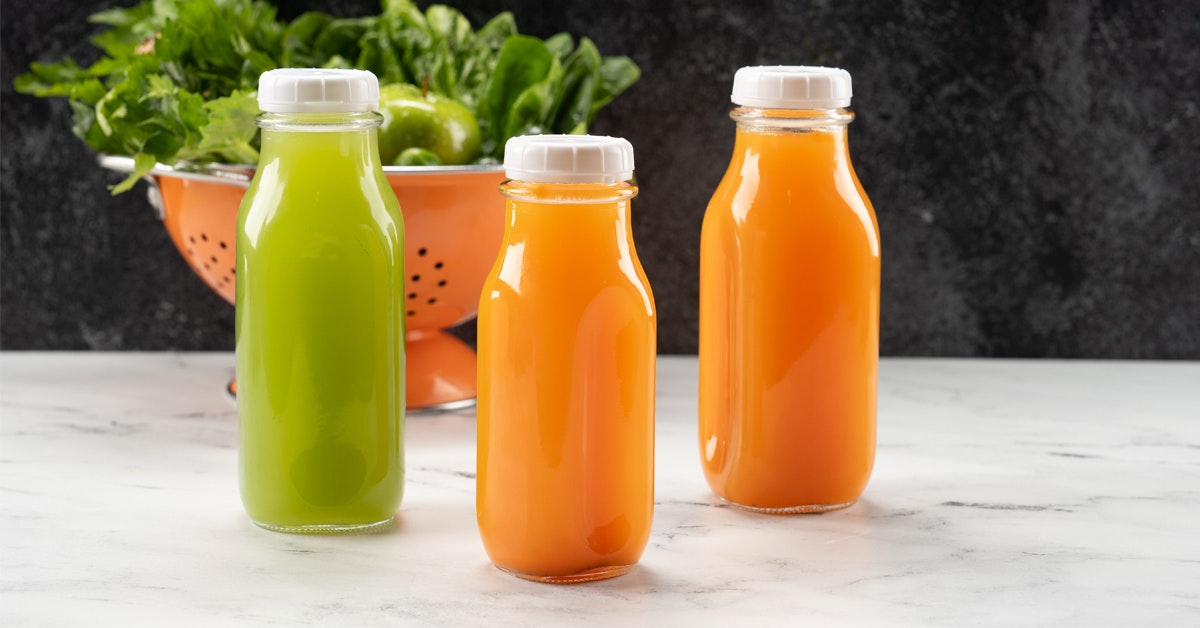
The Best Glass Juice Bottles
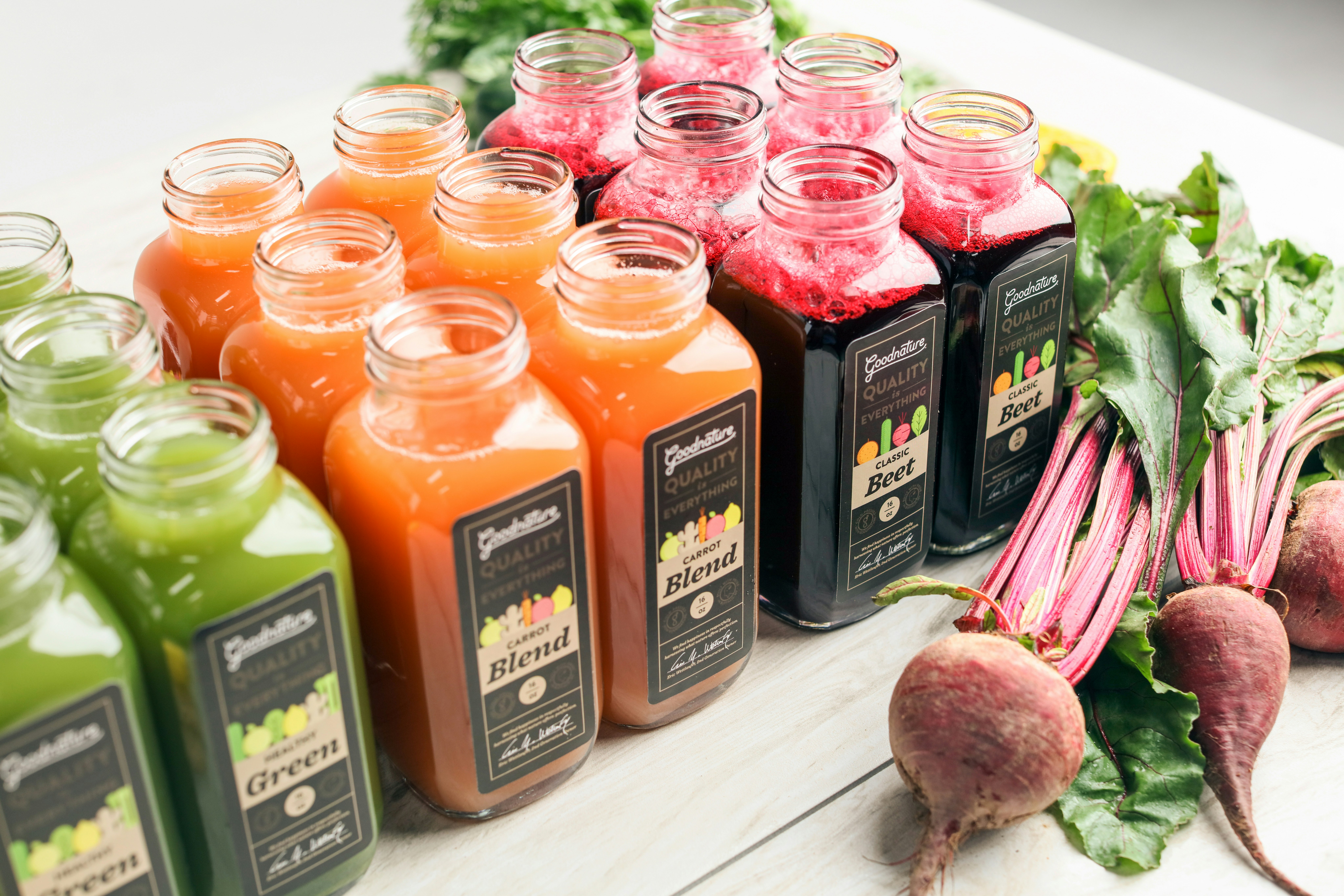
It's undeniable that drinking fresh cold-pressed juice from a glass bottle tastes better than from a plastic bottle. Why, exactly? It might be mostly a perceived quality difference more than anything else, but there are some actual real advantages to glass, mainly: Glass bottles are fully reusable, meaning they never even have to end up in a recycling bin or garbage can. Glass is insulating. A cold glass bottle of juice will stay cold longer than a plastic bottle. You can even chill the glass bottle before filling to help keep the juice temperature low, which will increase shelf life and color vibrancy. For a further comparison to plastic bottles, check out my other article: Plastic vs glass bottles What to look for when shopping for a premium glass juice bottles: Wide mouth. You want your juice bottle easy to fill and most importantly, easy to clean. Heavy duty. Some glass bottles are made heavier than others. For that reason, the old school "milk bottle" style bottles are great because they were designed to be used many times by the milk customer. Reusable. Glass bottles are quite pricey, but purchased at wholesale quantities the price comes down a lot. Then when you factor in customers returning them for multiple uses, the price starts to come down even more, sometimes even approaching the cost of single use bottles.